

 Shop now New Limited Edition Gift SetsGive the gift of great hair this holiday season, with something for every hair type.












How Often Should You Wash Your Hair?
It's one of the most Googled haircare questions out there, and the answer isn't one-size-fits-all. How often you should wash your hair depends on your scalp type, your hair texture and how you spend your days. For most people, two to three times a week hits the right balance. If your scalp runs oily or you're exercising daily, you might need to wash more. Thick, curly or naturally dry hair usually does better with less.
The real question isn't how many times a week, but why it matters at all. Your scalp is skin. Like the rest of your skin, it picks up sweat, dead cells, product residue and whatever the city throws at it. Regular cleansing keeps the scalp healthy and your hair looking the way you actually want it to.
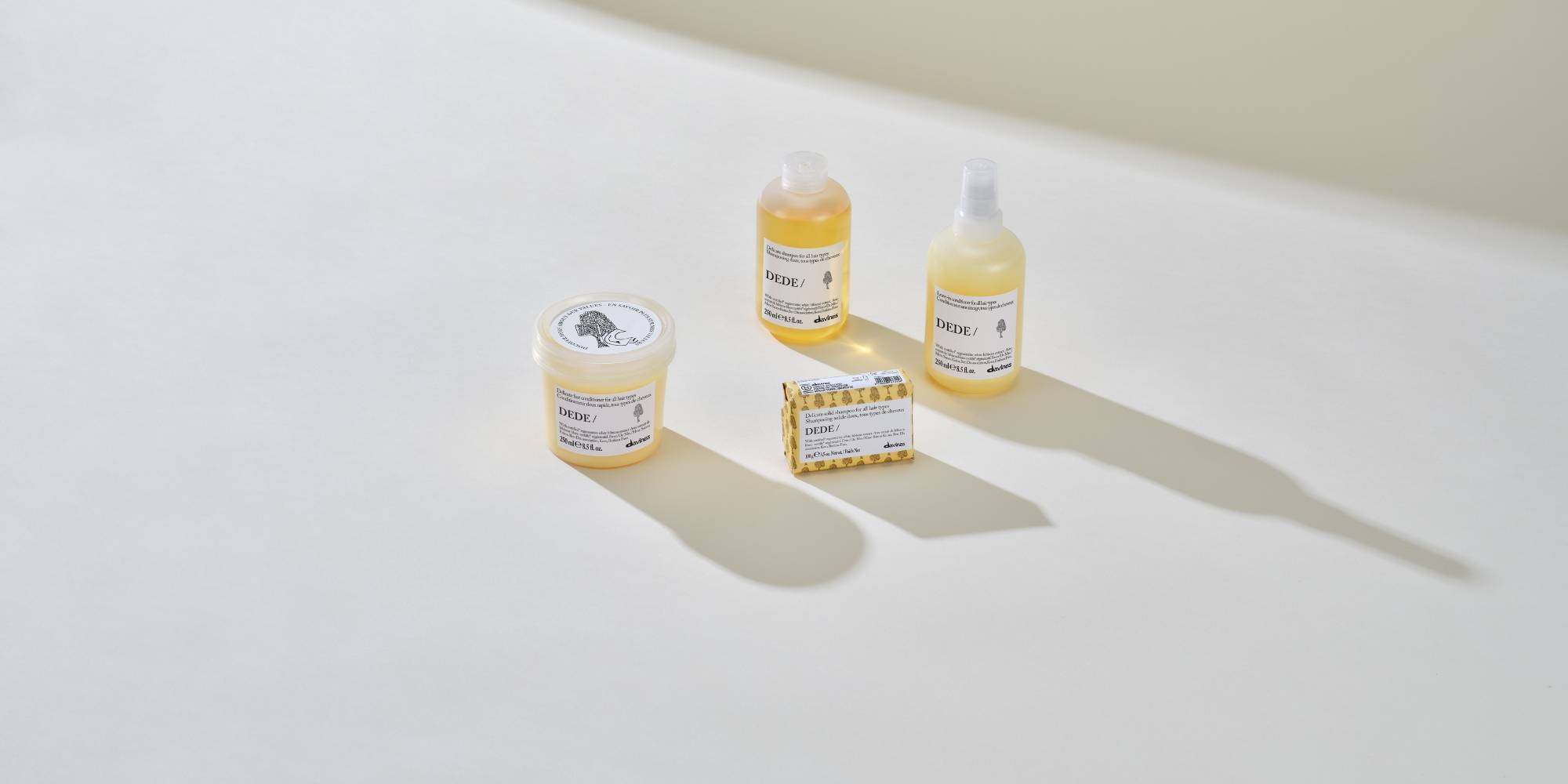
If daily washing is your thing, a gentle formula makes all the difference. Essential Haircare's DEDE/ range is built for exactly that.

Why your scalp needs cleaning
Your scalp produces sebum, a natural oil that moisturises the skin and conditions the hair. Think of it as your body's built-in leave-in treatment. Sebaceous glands are packed more densely on the scalp than almost anywhere else on your body, which is why hair gets oily faster than, say, your forearms.
Sebum protects the hair and helps repel water. Too much of it, though, and you're looking at greasiness, clogged follicles and, in some cases, dandruff.
Sebum also feeds the scalp microbiome, the community of bacteria, fungi and microorganisms that supports the skin barrier and keeps harmful pathogens out. A balanced microbiome keeps inflammation in check, which in turn keeps the hair follicles healthy.
That balance shifts with hormones, age, stress, climate and the products you wash with. Harsh shampoos and overwashing strip sebum from the scalp, leaving it dry, irritated and prone to itching and flaking. Stripped too far, the hair itself turns brittle.
Too much sebum pushes things the other way, with greasiness, clogged pores and an environment that encourages the fungi behind dandruff. The goal is to cleanse enough to manage the excess without stripping the protective layer underneath.
What shampoo does
Oil and water don't mix, which is a problem when your hair is coated in oil and you're trying to wash it out with water. This is where surfactants come in. They're molecules that can grab onto both oil and water at once, forming tiny clusters called micelles that capture dirt, sebum and product residue and carry them away when you rinse.
How gentle or thorough that cleanse feels depends on the surfactant. A clarifying shampoo uses stronger surfactants to strip product build-up and excess oil in one go. A daily-use formula uses milder ones that clean without disrupting the scalp's moisture balance.
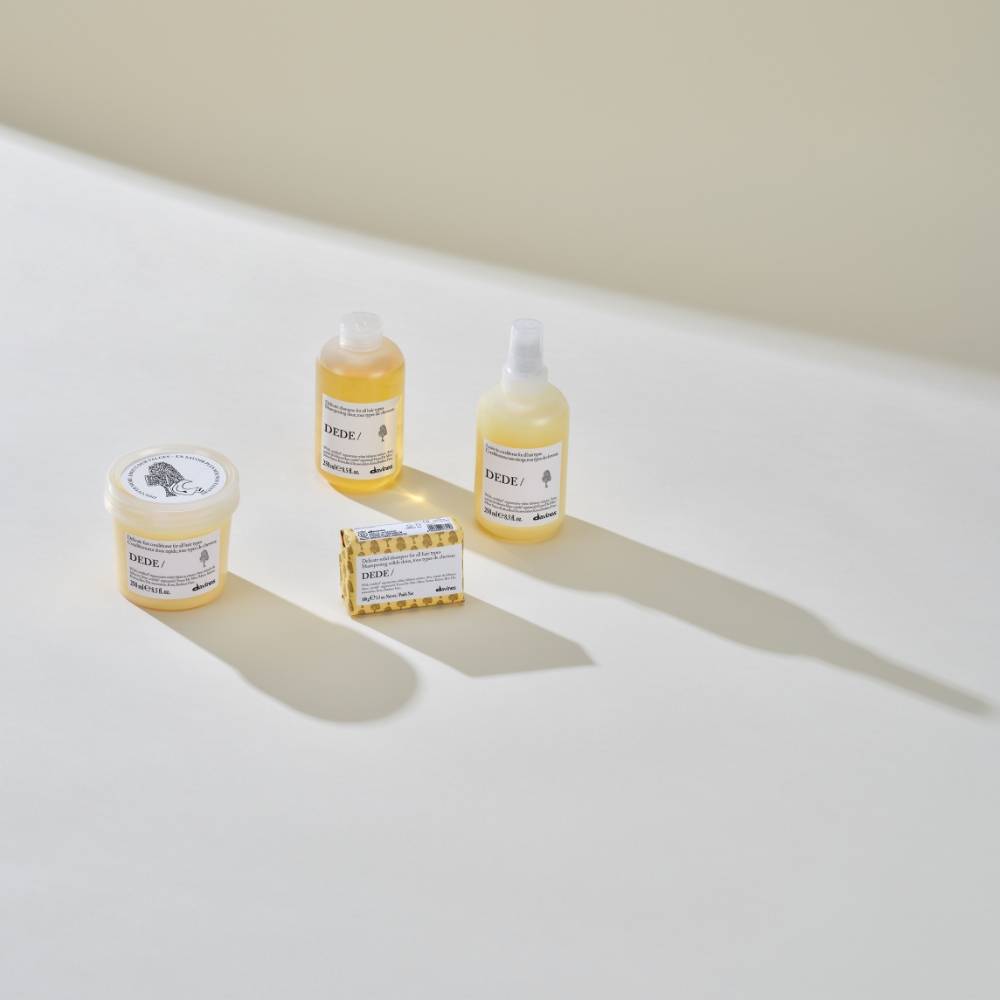
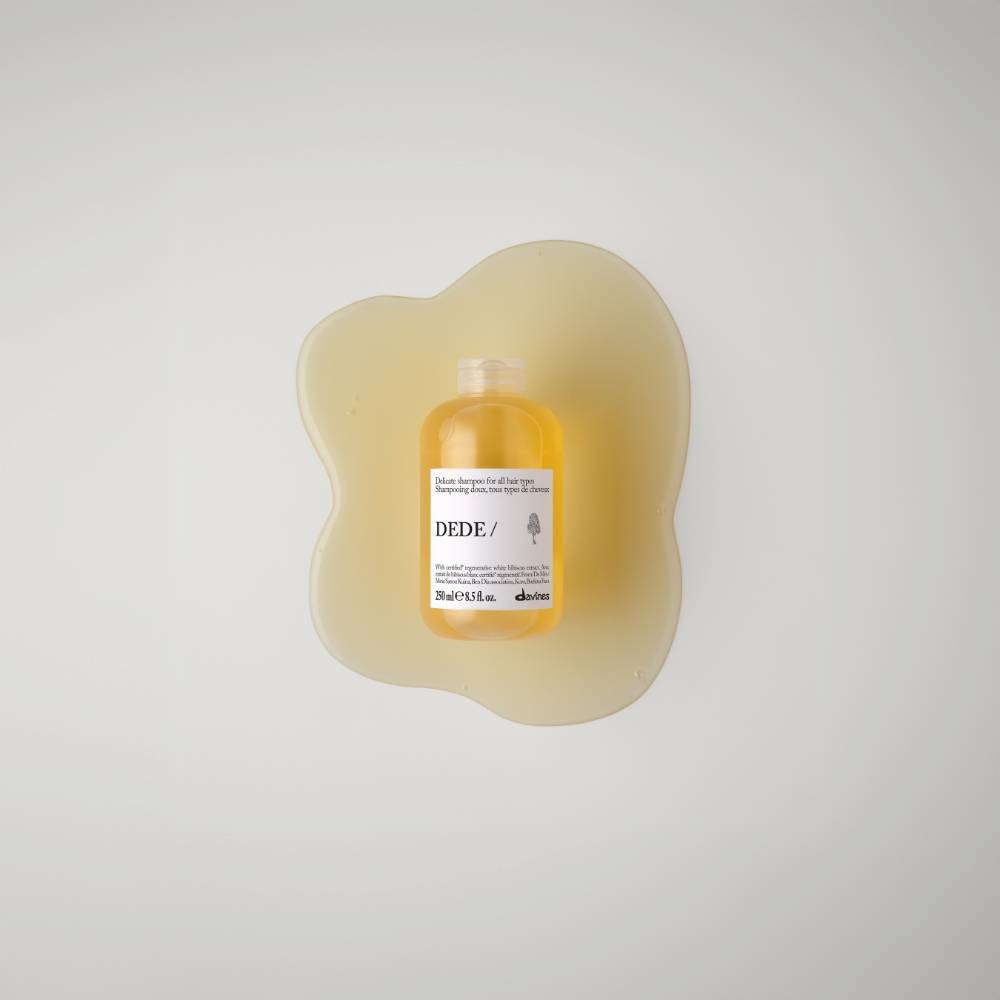
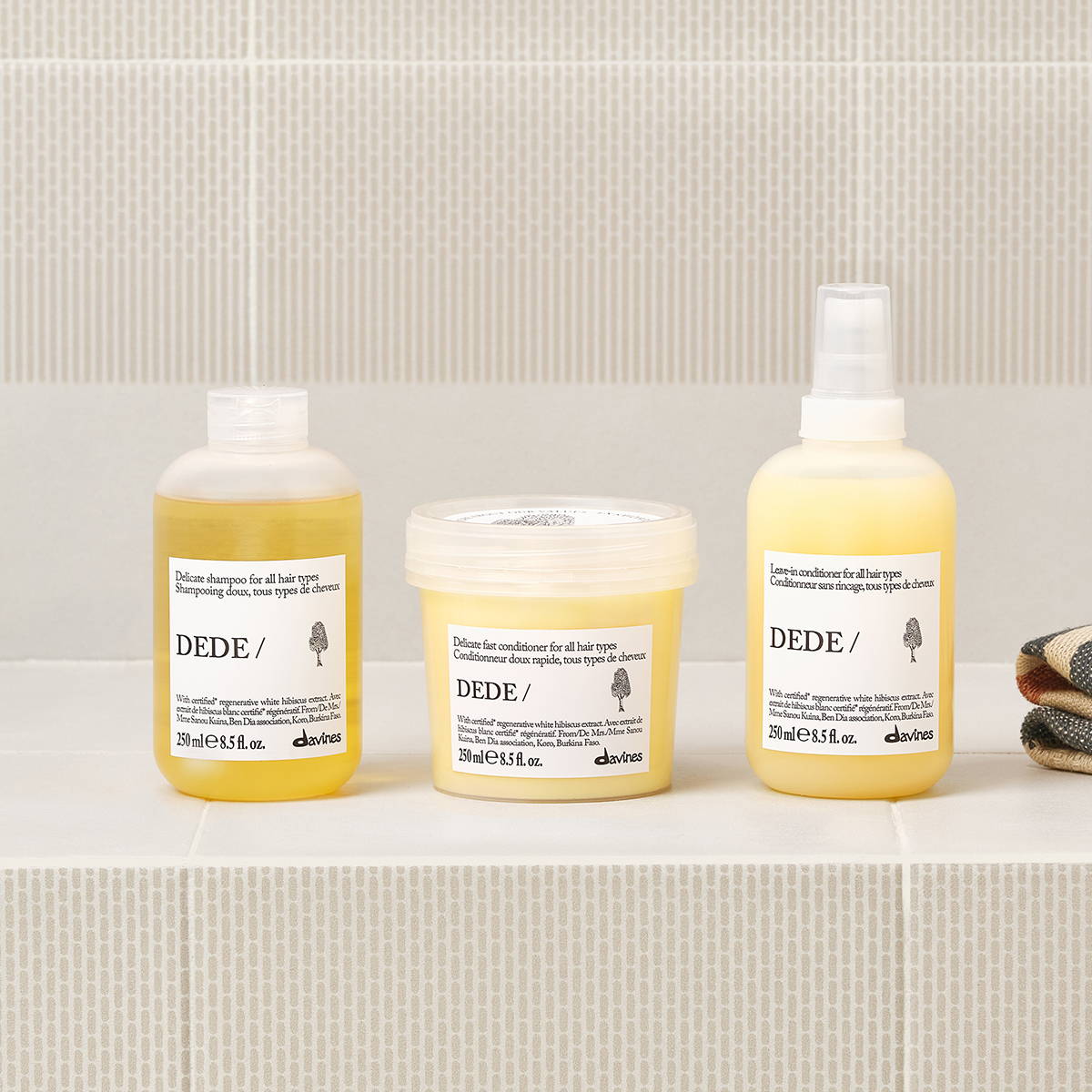
For frequent washing, pick a range built for it. Essential Haircare's DEDE/ range is formulated with Regenerative Organic Certified™ White hibiscus extract¹ from Mrs. Sanou Kuina, Ben Dia association, Koro, Burkina Faso. The range includes a shampoo,shampoo bar,conditioner andlightweight leave-in conditioner.
¹Sourced from Regenerative Organic Certified™ farms
Should you wash your hair every day?
For some people, absolutely. If your scalp tends towards oiliness, daily washing helps manage greasiness and keeps follicles clear. Fine hair often benefits too, because excess oil travels down the shaft quickly and leaves fine strands looking flat and lifeless by lunchtime.
Lifestyle plays a part as well. If you're exercising most days, working outdoors, or living somewhere humid, sweat and environmental exposure build up faster, and a daily wash keeps the scalp comfortable and your hair feeling fresh.
The key is matching the right shampoo to the frequency. A gentle, daily-use formula like DEDE Shampoo cleanses without stripping, which is the difference between healthy daily washing and the overdrying that gives it a bad name.
Is it bad to wash your hair every day?
Not in itself, no. The damage comes from using the wrong shampoo for your hair, or from washing so often that the scalp loses more sebum than it can replace. That's when you end up with dryness, irritation and, over time, hair that feels brittle and snaps too easily. Colour-treated hair fades faster with frequent washing, too. Some hair types simply do better with fewer washes.
Thick, coarse or curly hair
Sebum takes longer to travel down a curled or textured hair shaft, so these hair types tend not to look greasy between washes. Less frequent shampooing preserves moisture and helps keep frizz under control. Browse our curly hair products for formulas designed around that.
Dry or damaged hair
Hair that has been dried out by heat, chemical treatments or environmental exposure benefits from longer gaps between washes. Every shampoo removes some moisture, and hair that is already struggling to hold onto it needs that recovery time.
Ageing hair
Sebum production naturally slows with age. Where daily washing once felt necessary, it may no longer be, and reducing frequency can help hair that has become finer or more fragile hold onto its natural oils.
Hair washing myths
Is washing my hair daily the best way to stay hygienic?
Daily washing isn't necessary for hygiene in most cases. The scalp benefits from regular cleansing, but "regular" doesn't have to mean "daily". Two to three times a week keeps most scalps healthy. If you exercise daily or work in a dusty environment, washing more often makes sense.
Does shampooing daily cause hair loss?
No. Daily shampooing doesn't cause hair loss. The hair you see coming out in the shower is hair that's already in its resting phase and would have fallen out regardless. Hair loss is driven by genetics, hormones, nutrition and medical factors.
Is shampooing twice always necessary?
A double cleanse can be worth the extra minute, but it isn't always necessary. The first shampoo lifts surface oil and residue from the scalp. The second lets the formula actually get to work on both scalp and hair. On a light day, though, one wash is plenty.
Is it only people with oily scalps that need to wash frequently?
No. People with fine hair, active lifestyles, or those who use a lot of styling products may also benefit from more frequent washing. Wash frequency should be based on your scalp, hair type and daily life, not just oil levels.
Does daily washing prevent hair growth?
No. Washing your hair does not affect the rate at which it grows. Hair growth is determined by genetics, age, nutrition and overall health, not by how often you shampoo.
Finding your wash frequency
Wash frequency is personal. It depends on your scalp, your hair texture, how active you are and what products you use. It'll probably change over time, too, as your scalp's oil production shifts with age, season and lifestyle.
The simplest way to tell whether your routine is working is how your scalp feels between washes. If it sits comfortably and your hair looks the way you want it to, you're on the right track. If it itches, flakes or gets greasy too quickly, adjust in one direction or the other.
Whatever your frequency, match it with a shampoo formulated for how often you wash. A daily formula like DEDE/ will look after your scalp and hair through frequent washing. If you wash less often, something more targeted gives you a thorough cleanse each time. Our guide to training your hair to need fewer washes covers the process of gradually extending the gap.
Just make sure that whatever frequency you choose, you use a suitable shampoo that suits your hair needs and is not so harsh that it strips your hair and scalp of the natural oils that help keep it safe and healthy-looking.
If you’d like tailored advice to suit your hair needs, visit your nearest Davines salon to speak to one of our experts!
Frequently asked questions about washing your hair
How often should you wash your hair if it's oily?
Two to three times a week suits most oily scalps. If yours still feels greasy by mid-afternoon, daily washing with a gentle formula is absolutely fine. Gradually extending the gap between washes, rather than going cold turkey, gives the scalp time to dial back its oil production on its own.
Can you wash your hair too much?
You can wash too aggressively, but frequent washing with the right shampoo won't do you any harm. The trouble starts when the formula strips more oil than the scalp can replace, which leads to dryness, irritation and a rebound where the scalp overproduces sebum to compensate. Match shampoo strength to frequency and you sidestep the problem entirely.
Does washing hair everyday make it fall out?
No. Daily washing loosens hairs that are already in their resting phase and about to fall out anyway. Hair loss is driven by genetics, hormones, nutrition and medical factors, not by how often you shampoo.
How often should you wash curly hair?
Once or twice a week is a good starting point. Curly hair is naturally drier because sebum struggles to travel down a curved shaft, so less frequent washing preserves moisture and keeps frizz in check.
Should you shampoo twice?
A double cleanse is worth the extra minute when the scalp is particularly grubby or after a week of heavy product use. The first wash lifts surface oil and residue. The second lets the shampoo actually get to the scalp. On a light day, once is plenty.
If you'd like tailored advice to suit your hair needs, visit your nearest Davines salon to speak to one of our experts.
Read more!

Meet the new Davines Holiday Gift Set Collection Discover our 2026 gift guide full of sets tailored to all hair...

PRO TIPS How to Spot Heat Damaged Hair, and What Actually Helps We asked three UK hair experts to share...

How To Align Your Hair Treatments With Your Hair Growth Cycles Understanding your hair growth cycle is one of the...