
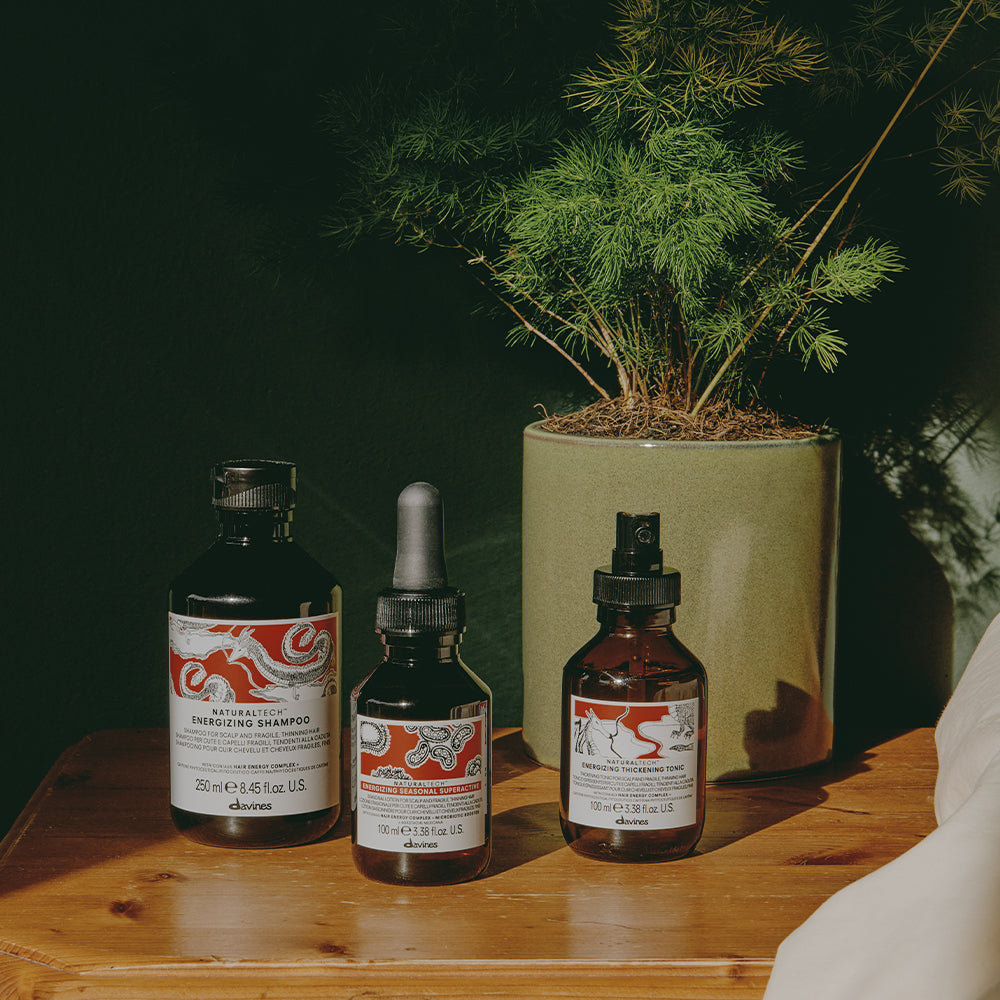
 Shop now Discover NaturaltechFind formulas that offer exactly the care your scalp and hair need with Naturaltech.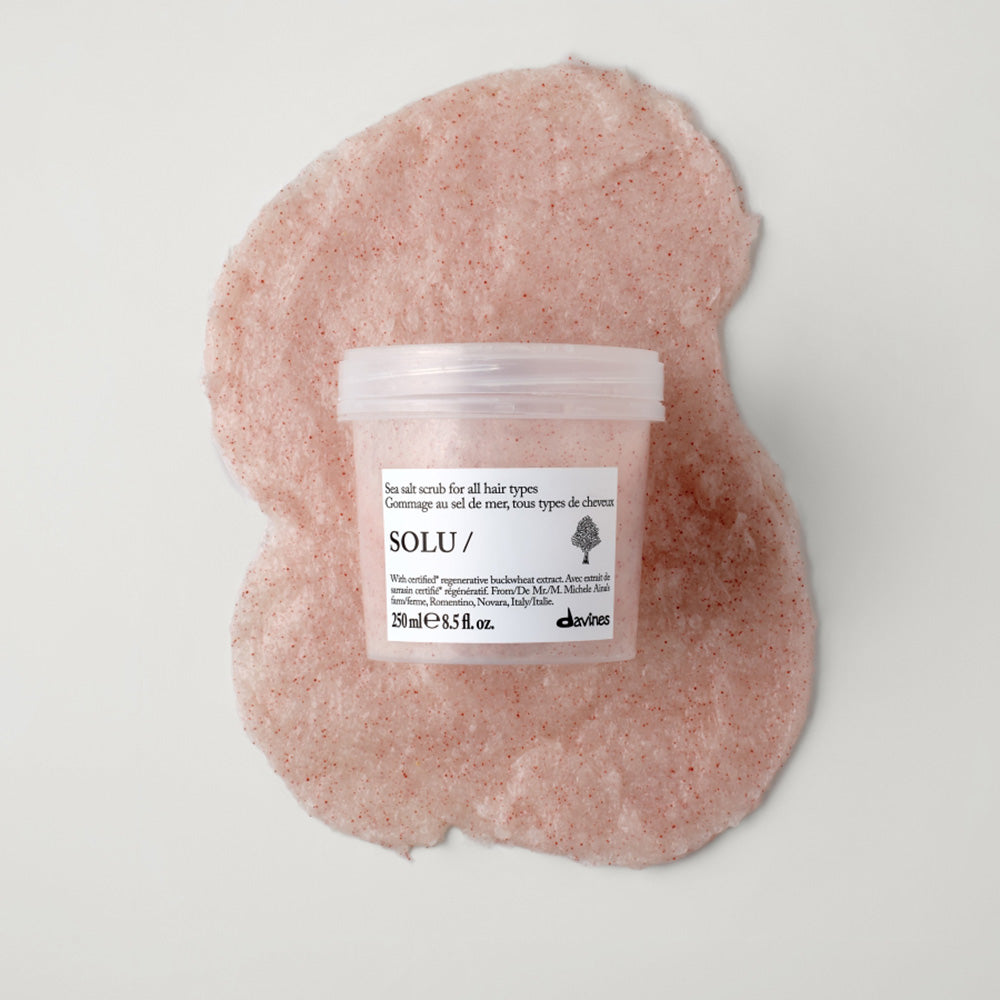










Your heading text goes here
10 Summer Hair Care Tips to Protect Your Hair
Sun, salt, chlorine, humidity, longer days outside. Summer asks a lot of hair. Colour fades faster. Ends split. Frizz behaves unpredictably. Hair that sat well in April can feel altogether different by late July.
Getting ahead of it is simpler than reversing it, and most of what works requires nothing more than a shift in habit. These ten tips cover UV, moisture, colour, swimming, washing, styling, sleep and recovery. Together they give a full picture of what summer hair care actually involves.
First, get to know your hair
How your hair responds to summer depends largely on its porosity. This describes how easily your hair takes in and holds moisture. Mist a small section with water and watch what happens. Droplets that sit and bead on the surface indicate low-porosity hair, which resists moisture and tends to hold on to product. Droplets that absorb quickly suggest high porosity, meaning your hair drinks moisture in fast but loses it just as fast, frizzing in humidity and fading quicker in the sun.
Colour-treated, bleached and heat-styled hair almost always sits higher on the porosity scale, which is why it needs the most careful handling once the temperature rises. Keep your own hair in mind as you read on.
1. Shield your hair from UV damage
Most people know to protect their skin from the sun. Hair gets far less attention, and the effects accumulate quietly. UV rays break down the keratin proteins that give hair its structure and degrade the pigment that gives it colour, leaving strands dry, weak and dull over a season of prolonged exposure.
A wide-brimmed hat is the most practical all-day shield, protecting hair and scalp at once. On days when that isn't realistic, build a three-stage habit. Apply a UV-protective leave-in before heading outside, reapply through the day, and restore moisture when you're back indoors. Protection wears off as the hours pass, exactly as it does on skin.
Davines recommends:
Davines SU/ is a complete before, during and after sun routine for hair and skin.SU/ hair milkworks as a leave-in UV shield at every stage of the day. It contains Regenerative Organic Certified™ Bitter orange extract, which carries antioxidant properties that neutralise the free radicals generated by UV exposure, protecting the hair and keeping it healthy through prolonged time outdoors. SU/ hair and body oil provides lightweight UV coverage for both hair and skin, a practical single step on lighter beach days.
*Sourced from Regenerative Organic Certified™ farms that use regenerative agricultural practices.
Try these UV protection products
2. Hydrate deeply and seal it in
Heat and UV draw moisture from the hair continuously. Once it's gone, strands look dull, feel rough and become more prone to breakage. A sequence works more reliably than any single product. Hydrate first, then seal.
Start with a shampoo and conditioner suited to your hair type, apply a leave-in through the mid-lengths, then work a few drops of oil through the ends. The oil holds moisture in and keeps humidity from disrupting the cuticle. Keep it away from the roots so hair doesn't flatten.
The weight of the formula matters. Fine or low-porosity hair does better with lighter, water-based options. Thicker or high-porosity hair can take richer creams and benefits from a weekly deep-conditioning treatment through the warmer months.
Davines recommends:
For dry and dehydrated hair, the MOMO/ range is formulated with Regenerative Organic Certified™ Apricot extract, which locks in moisture for hair that's soft, manageable and easier to detangle. MOMO/ serum delivers targeted hydration without heaviness, increasing shine by 3.4 times after a single use.
Processed or brittle hair responds better to NOUNOU/, which uses Regenerative Organic Certified™ Lupin extract to strengthen and reinforce the hair fibre, locking in resilience where it's most depleted. NOUNOU/ oil restores the hair deeply, leaving it up to 5.1 times stronger and 12.9 times shinier from the first use. Browse the full hair oil range to find the right weight for your hair.
*Sourced from Regenerative Organic Certified™ farms that use regenerative agricultural practices.
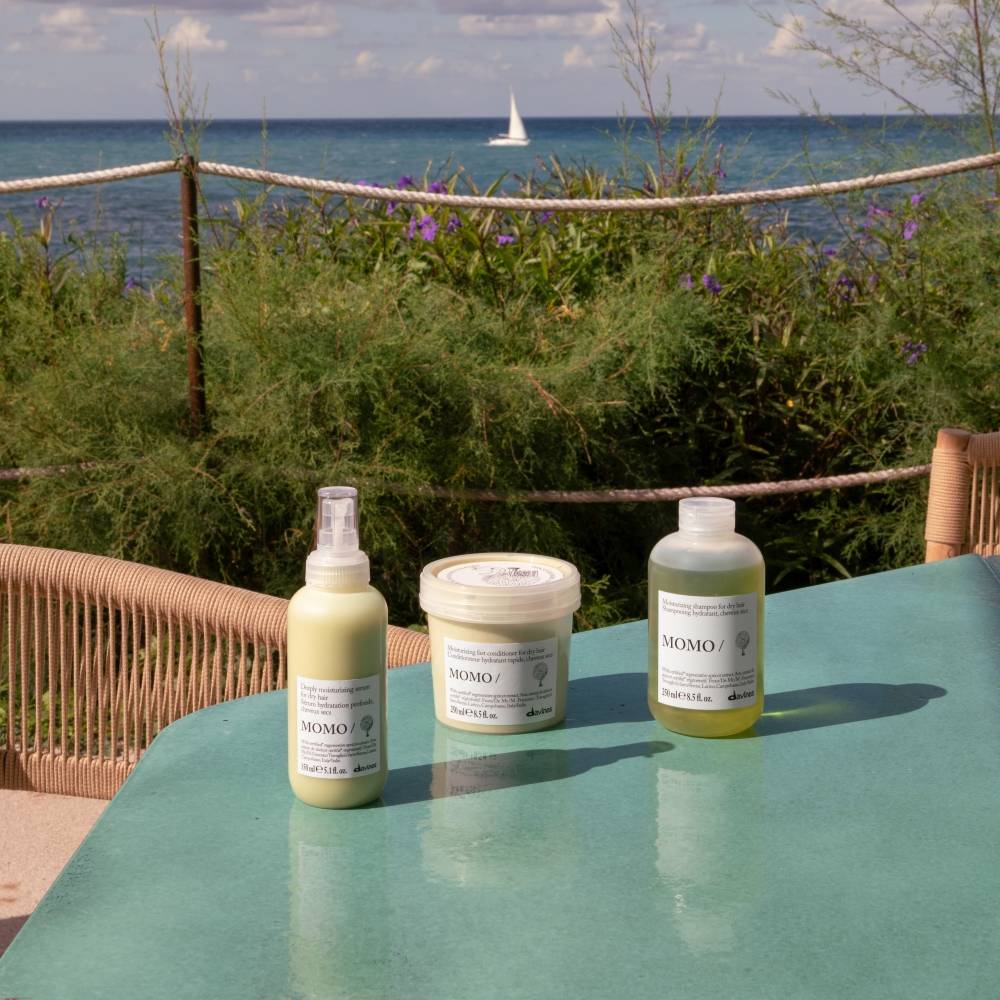
Try these hydrating and nourishing products
3. Work with humidity, not against it
Frizz in summer has a specific cause, and understanding it changes how you respond. On humid days, hair absorbs moisture from the air, the cuticle swells, and the surface roughens. High-porosity and curly hair experience this most acutely. The instinctive responses (more product, touching the hair while it dries, rubbing with a cotton towel) tend to make things worse.
Well-hydrated hair frizzes less because its cuticle has less moisture to absorb from the air. Smooth in a serum or cream after washing, then leave your hair entirely alone while it dries. A microfibre towel or a soft old t-shirt, used to blot rather than rub, removes water without lifting the cuticle the way cotton does.
Avoid adding to the problem with heat-based drying and styling tools. Instead, create a hair care routine that combines natural, air dried summer hair with styling products designed to add moisture, reduce frizz and protect against humidity.
Davines recommends:
LOVE SMOOTHING/ serum builds genuine resistance to humidity, leaving hair up to 10 times more hydrated and 2.4 times smoother after one use. For wavy, curly and coily hair, LOVE CURL/ uses Regenerative Organic Certified™ Baobab pulp extract, which provides carbohydrates that moisturise the hair and antioxidants that protect its condition through the season. The full frizz-prone hair edit brings the range together.
*Sourced from Regenerative Organic Certified™ farms that use regenerative agricultural practices.
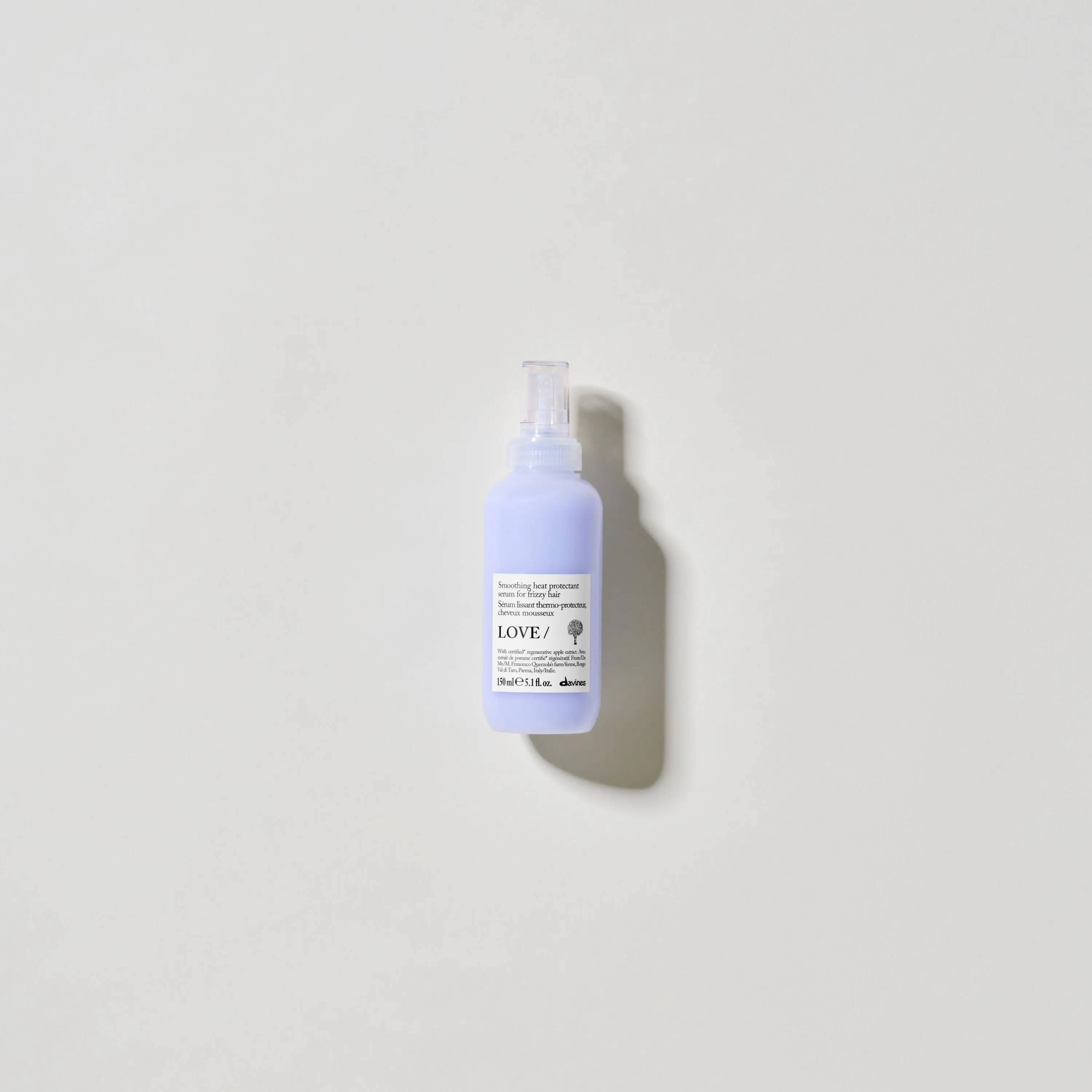
4. Defend your colour from the sun
Colour fades faster in summer, and the process is gradual enough that most people only notice it looking back at photos from the start of the season. UV breaks down pigment, and colour-treated hair sits higher on the porosity scale than virgin hair, so it loses tone more readily every time the cuticle opens in heat.
Rinse with cooler water wherever you can. Hot water opens the cuticle and lets colour leach out, so even a cooler end-of-shower rinse accumulates meaningfully across a whole season. Products formulated for colour-treated or lightened hair are gentler on the fibre and help the cuticle stay closed.
Davines recommends:
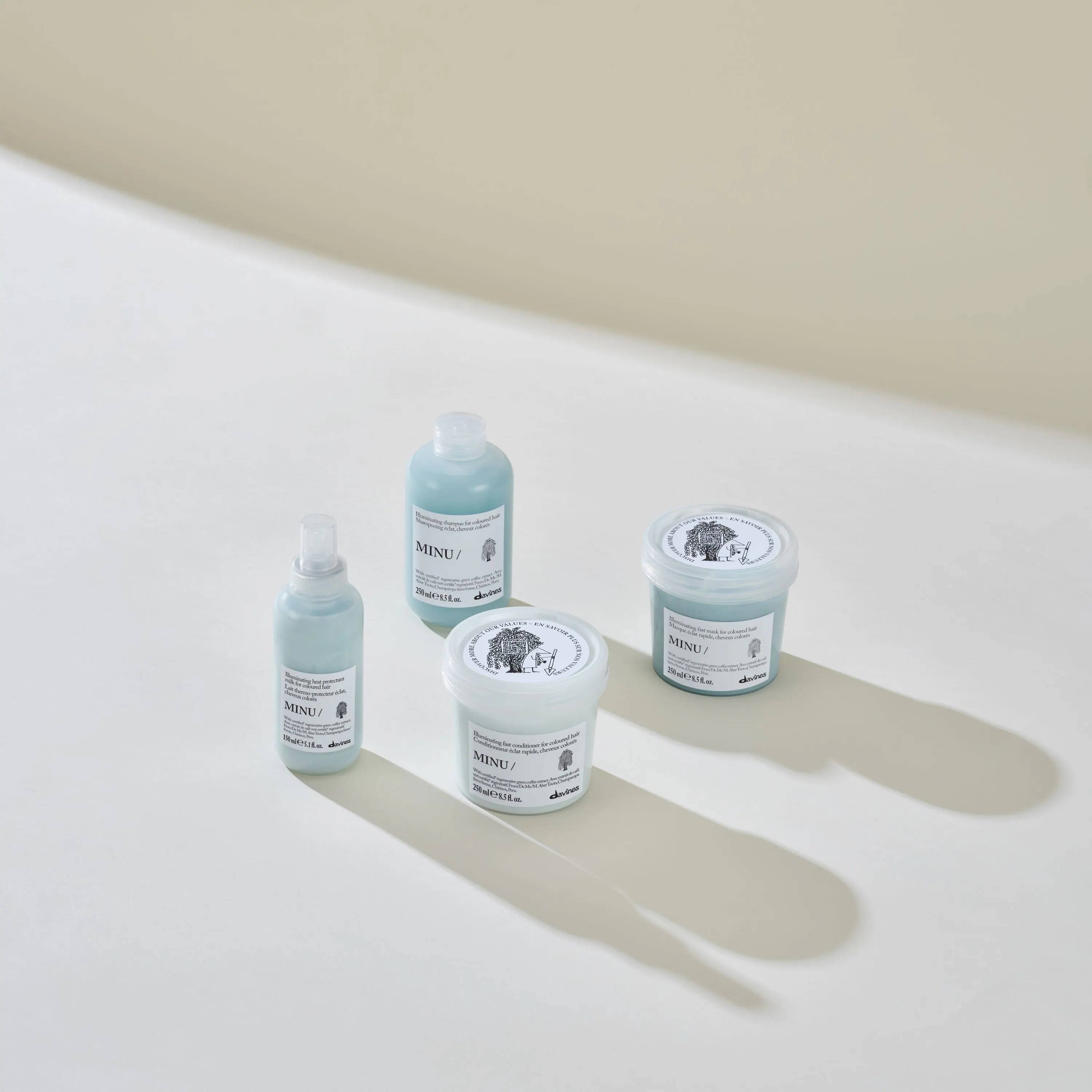
The Beautiful Things Restoring Leave-In Mask repairs the hair fibre using Biomimetic Botanical Filler and vegan collagen, restoring essential lipids while shielding against UV and heat up to 230°C. Used consistently, it maintains colour vibrancy for up to seven weeks.
For blonde and lightened hair, Heart of Glass is formulated with Davines' Biacidic Bond Complex, designed to nourish, strengthen and protect blonde hair through the season. MINU/ shampoo contains Regenerative Organic Certified™ Green coffee extract, which protects against fading and keeps colour vibrant for up to four weeks. MINU/ hair milk extends that protection further, offering added UV defence and leaving hair up to 6.6 times shinier.
*Sourced from Regenerative Organic Certified™ farms that use regenerative agricultural practices.
5. Rinse smart before and after swimming
Salt and chlorine both leave residue that continues drawing moisture from the hair long after you've dried off. Soaking your hair in fresh water before getting into a pool or the sea is the most underused piece of advice for summer swimmers.
Hair can only hold so much water at once, and strands already saturated with clean water absorb significantly less of the salted or chlorinated kind. A touch of oil or a leave-in applied beforehand adds a further physical barrier at the cuticle.
If your blonde or lightened hair has ever come out of a pool with a greenish tinge, copper is responsible. Most pools contain copper from pipes, algaecides or water treatments. Chlorine oxidises it, and the oxidised copper bonds tightly to the keratin in the hair shaft, particularly in bleached or damaged strands with more open, porous structure.
A chelating shampoo lifts metal deposits and mineral build-up from the hair fibre, targeting copper and residue that regular cleansing leaves behind. Rinse as soon as you get out, cleanse with the chelating formula, then follow with a hydrating conditioner or mask on the lengths.
The Heart of Glass Silkening Chelating Shampoo removes metal and mineral residue while balancing tone in natural and treated blonde hair.
6. Rethink how often you wash
Higher temperatures mean more oil and sweat at the roots, which can feel like a signal to wash more frequently. Over-washing strips the protective oils your hair relies on and can leave it drier than the heat alone would cause.
Co-washing (cleansing with conditioner in place of shampoo) keeps your lengths clean and hydrated on the days between washes. A clarifying wash every week or two lifts the product, mineral and sweat build-up that ordinary shampoo doesn't fully remove.
Your scalp deserves attention too. The parting and hairline burn as readily as any other skin, so shift your parting position occasionally and keep those areas shaded where you can.
SOLU Clarifying Shampoo handles the periodic deep cleanse, lifting build-up from the scalp and hair without stripping moisture.
7. Let your hair dry on its own
Summer creates a natural opportunity to step back from heat tools. Every session with a hairdryer, straighteners or curling tongs adds thermal stress on top of what the sun, salt and humidity are already doing, and that accumulates across a whole season.
Letting hair air dry protects it and, with the right products, gives texture that hot tools rarely match. Work a salt or texture spray through damp hair, then scrunch and leave it. For defined waves, plait your hair loosely while it's still damp, leave the braid to set, then release it once dry.
Wavy, curly and coily hair holds its natural shape beautifully when air-dried with a curl cream scrunched in from mid-lengths to ends. LOVE CURL/ is well-suited here, enhancing natural definition and protecting the hair's condition through the drying process.
This is a Sea Salt Spray from the More Inside range adds volume and definition without build-up. The full LOVE collection covers curl and wave care in depth.
8. Make the night work for your hair
One of the quietest upgrades to a summer routine costs almost nothing and requires no effort after the initial swap. Cotton draws moisture from hair overnight and generates the friction that builds into frizz and breakage over weeks. Silk or satin lets hair glide through the night, holding on to its moisture. Tie hair loosely with a soft scrunchie rather than a tight elastic before sleep.
Dry, brittle hair and ends that catch and tangle are mid-summer signals worth responding to. Overnight hydration adds useful recovery time. Apply a nourishing mask or oil to mid-lengths and ends before bed, protect the pillow with a loose plait or a sleep cap, and rinse in the morning. The hours of sleep become active repair time.
9. Wear your hair up more often
Protective styles (loose plaits, low buns, twists and braids) physically reduce how much hair surface is exposed to UV, wind, salt and chlorine. A plait worn in the sea keeps hair bundled away from salt water far more effectively than leaving it loose. A low bun during peak afternoon sun limits UV exposure to the mid-lengths and ends, which tend to be the most porous and vulnerable parts of the shaft.
Loose is the operative word. Tight hairstyles create tension at the root and along the shaft, adding a different kind of stress to hair that's already contending with summer conditions. A soft plait or a loose bun secured with a fabric scrunchie protects without pulling.
10. Listen to what your ends are telling you
Split ends spread. A split that reaches a centimetre up the shaft can become three by the end of summer if left alone. Booking a trim every six to eight weeks during the warmer months stops that process and preserves the length you've worked to protect. Hair that's clean at the ends holds its shape better and looks noticeably fuller.
Pay attention to how your ends feel through the season too. If they're rougher than usual, prone to knotting or visibly drier than they were in May, that's useful diagnostic information. Your hair may need more moisture, a protein treatment, or a cut that removes the damage before it travels further up the shaft. Waiting until autumn to address it means a season of compounding stress.

Need more support to create your summer
hair care routine?
Whatever your hair type and hair care challenge, your Davines expert will be able to help you create a summer hair care routine that works for you.
Frequently asked summer haircare questions
Does the sun damage your hair?
Yes. UV rays degrade the keratin proteins in the hair fibre and break down pigment, leaving strands drier, weaker and duller over a season of prolonged exposure. Salt water and chlorine compound this throughout the warmer months. A protective routine, applied consistently rather than occasionally, addresses the cumulative effect.
How do I protect my hair from the sun?
Apply a UV-protective leave-in before going outside and reapply through the day, following the same logic as sunscreen on skin. A wide-brimmed hat is the single most effective all-day barrier. Restore moisture when you're back indoors.
Why does my blonde hair turn green in the pool?
Copper is responsible. Most pools contain copper from pipes, algaecides and water treatments, and chlorine oxidises it so it bonds to the keratin in the hair shaft. Bleached and damaged hair holds copper most readily because of its more open, porous structure. Before getting in, soak your hair in fresh water and wear a swim cap where possible. Use a chelating shampoo afterwards to lift the mineral residue before it affects tone.
Why does my hair get frizzy in summer?
Humidity is the cause. On damp days, hair absorbs water vapour from the air, the cuticle swells, and the surface roughens. High-porosity and curly hair experience this most acutely. Keeping hair well hydrated before heading outside, and applying a serum or cream to smooth the cuticle, significantly reduces how much the hair reacts to atmospheric moisture.
Should I wash my hair more often in summer?
Not necessarily. Sweat and oil accumulate faster, but washing daily strips the protective oils that help hair retain moisture. Co-washing on alternate days, with a clarifying wash every week or two, manages the build-up without the dryness that comes from over-cleansing.
Read more!
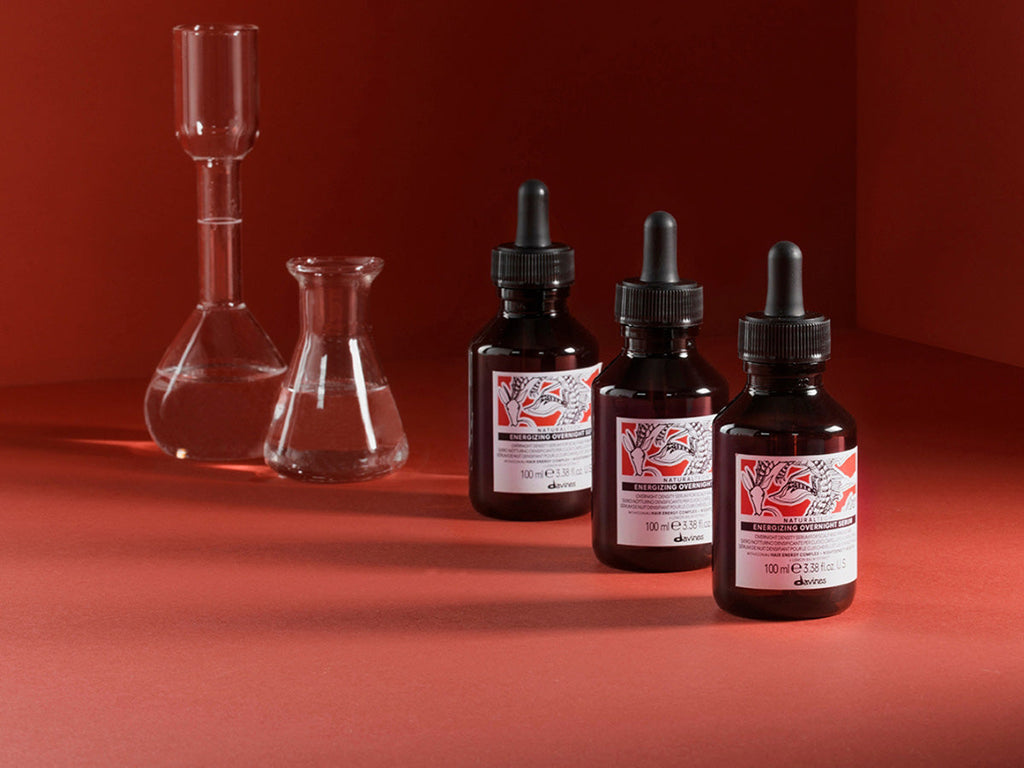
Your Guide to Overnight Hair and Scalp Serums and Their Benefits Learn how these formulas can support your nightly hair...

How To Align Your Hair Treatments With Your Hair Growth Cycles Understanding your hair growth cycle is one of the...
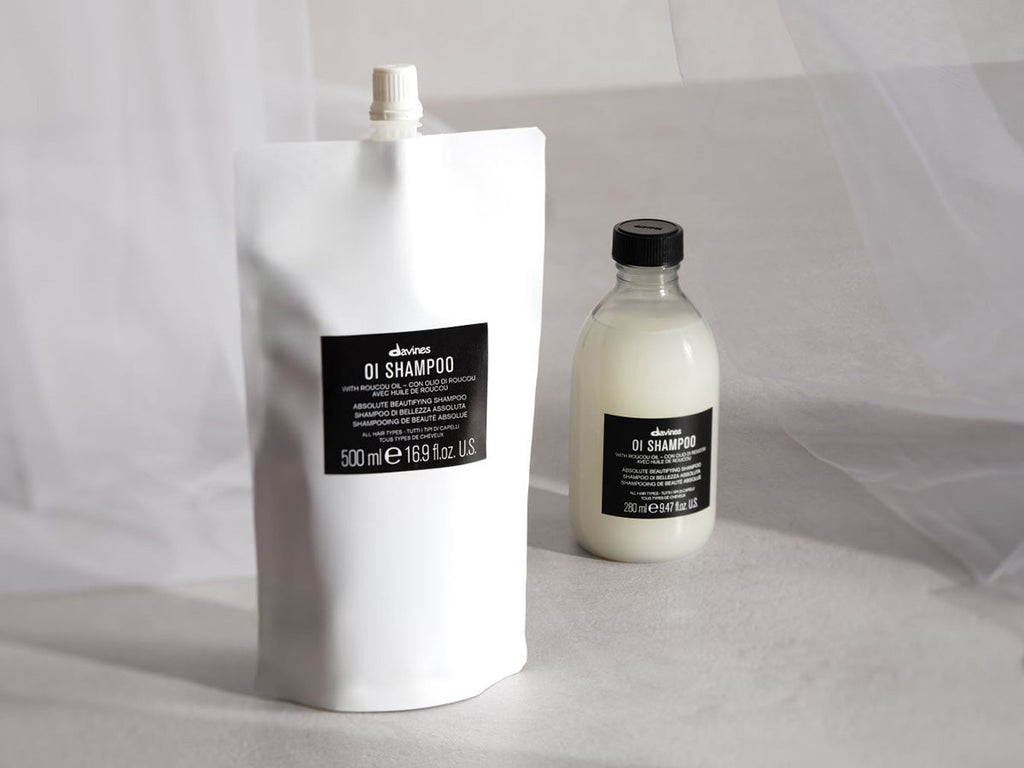
Introducing OI Refill Shampoo Pouches: embrace soft, shiny hair with less waste Your favourite formula, now in a refillable format...