
 Shop now Discover NaturaltechFind formulas that offer exactly the care your scalp and hair need with Naturaltech.










Curly hair myths and facts: what's true and what's not?
If you have curly hair, you've almost certainly been told at some point that you should never brush it, that it doesn't really grow, or that frizz means something's wrong. These ideas get passed around so confidently that they feel like facts, and they end up shaping how people look after their curls, sometimes for the worse.
Most of them don't hold up. Here are four of the biggest curly hair myths, what the science actually says, and what it means for your routine.
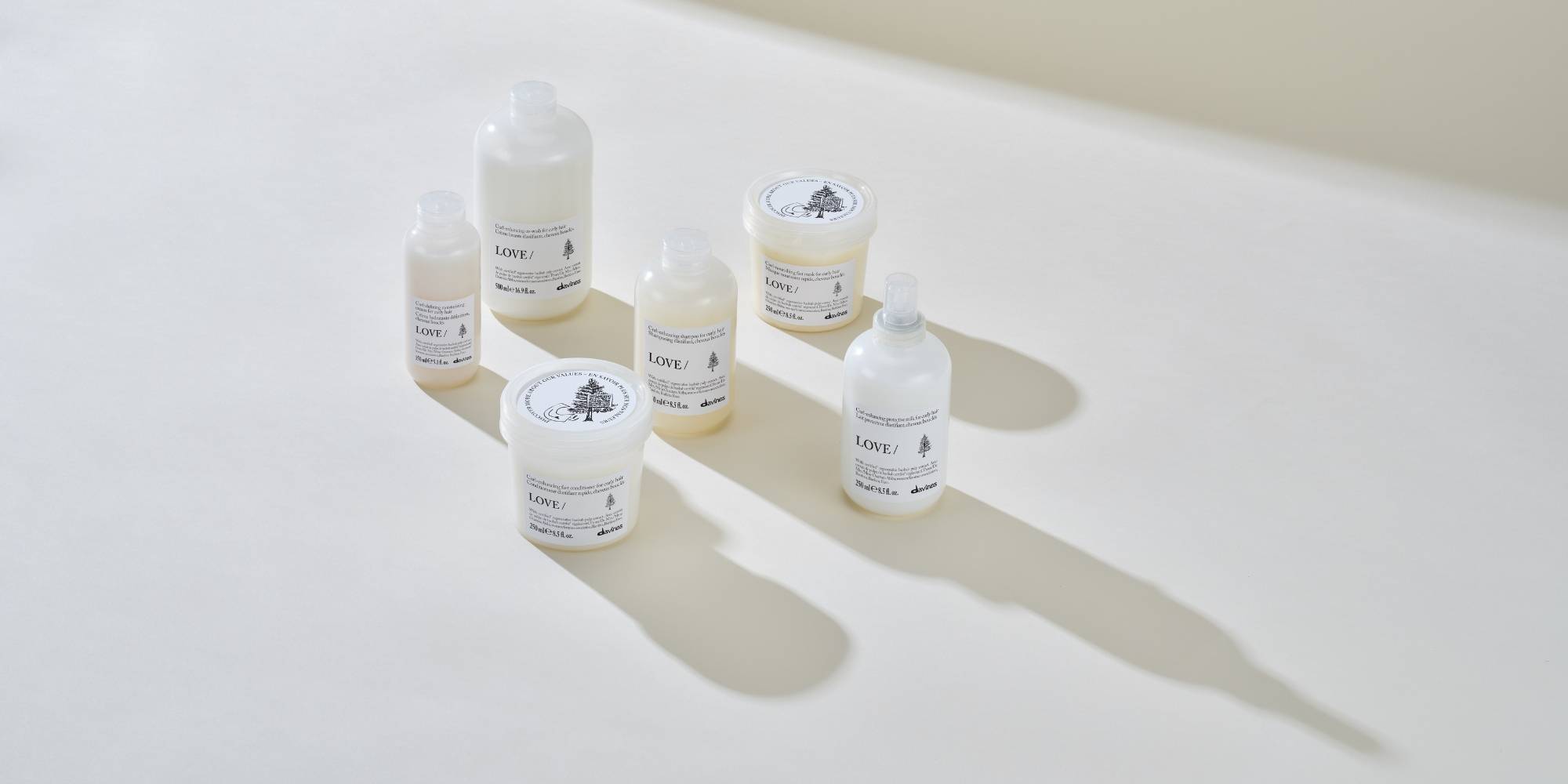
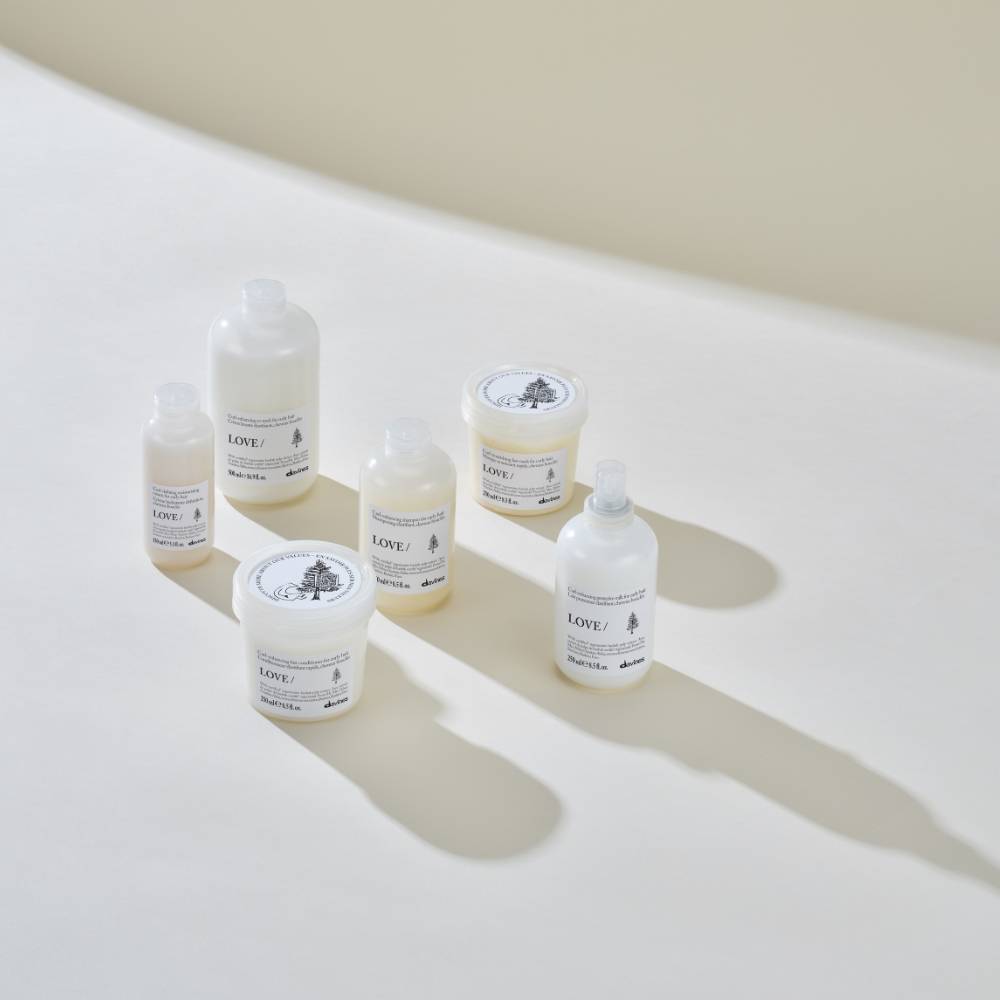
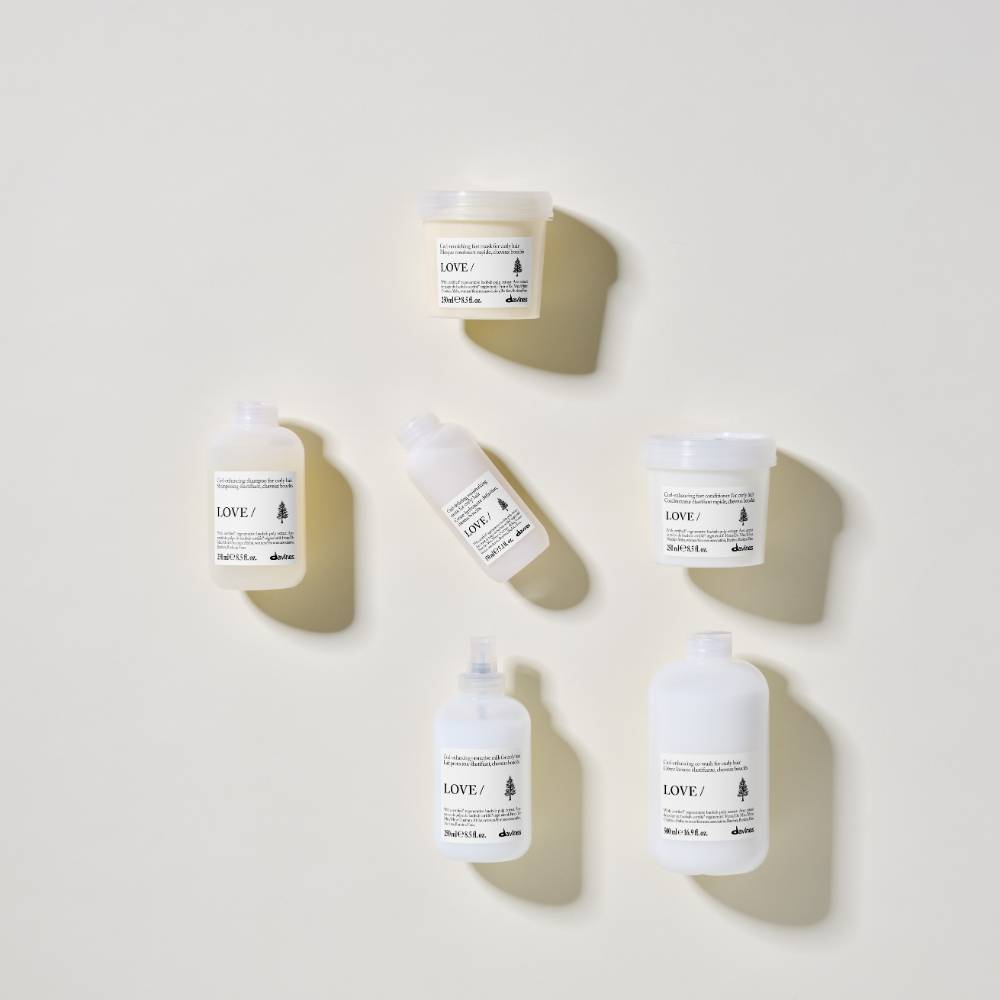
We’ll also introduce Essential Haircare’sLOVE CURL/range, made with Regenerative Organic Certified™ active ingredients¹ that are great for curly hair and for the planet.
¹Sourced from Regenerative Organic Certified™ farms
Can you brush curly hair?
Yes, and if you're detangling regularly you probably should. The myth isn't entirely wrong about one thing, though: dragging a paddle brush through dry curls will cause breakage, frizz and a whole lot of frustration. Most people who've tried it once haven't tried it twice.
The key is when and how. Detangle curly hair while it's wet and loaded with conditioner, using a wide-toothed comb or a flexible detangling brush. The conditioner provides slip, the water softens the hair shaft, and the comb can work through knots without snapping strands. Regular gentle detangling prevents tangles from compounding into the kind of matting that really does cause damage. For more on protecting fragile curls from breakage, our guide to fixing damaged curly hair covers the essentials.
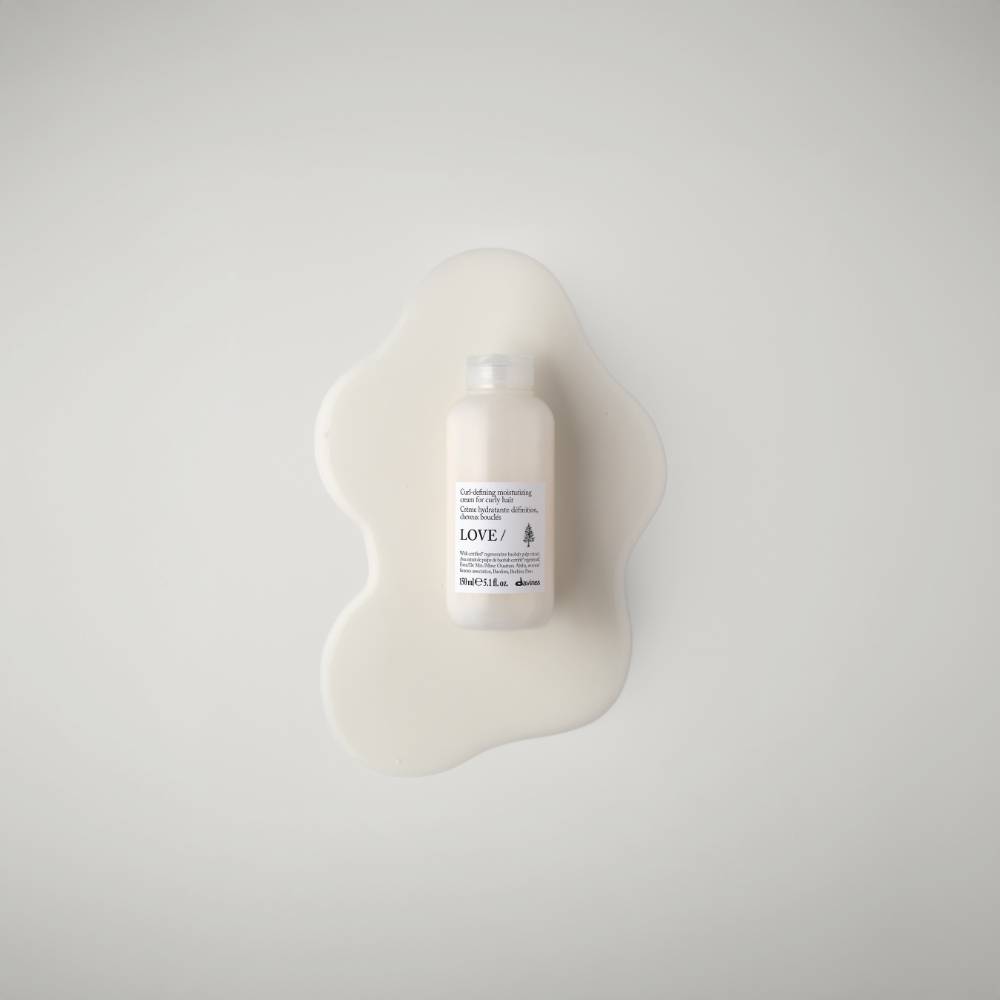
LOVE CURL/ Conditioner is formulated to smooth the cuticle, so the comb glides through rather than catching. A good conditioner with high slip makes the whole process noticeably easier.
Does curly hair grow slower than straight hair?
No. Curly hair grows at roughly the same rate as straight hair, around 1–1.5 cm per month. The reason it looks shorter is shrinkage. When curly hair dries, it contracts, and depending on how tight the curl pattern is, it can appear up to 75% shorter than its actual length. Your hair is growing. You're just not seeing all of it.
The second factor is breakage. A curly strand has more twists and turns along its length, which means more weak points where it can snap. Dehydration, friction from cotton pillowcases, and rough handling all make this worse. Length retention, not growth rate, is what determines how long curly hair actually looks.
Keeping curls consistently moisturised makes the biggest practical difference here. The LOVE CURL/ range is built around moisture retention for exactly this reason. It features Regenerative Organic Certified™ Baobab pulp extract² from Mrs. Ouattara Abiba women association, Banfora, Burkina Faso, which contains natural carbohydrates that moisturise and smooth the hair, as well as antioxidants to protect and care for it.
²Sourced from Regenerative Organic Certified™ farms

Does cutting curly hair make it curlier?
No. Your curl pattern is set by the shape of the hair follicle, which is genetic. Cutting doesn't change it.
What cutting does change is weight. Shorter hair has less pulling the curl downward, so the curls can spring up more and look tighter or bouncier. The effect is visual, not structural. Your curl pattern is the same; you're just seeing it without gravity flattening it out.
This is worth knowing when you're talking to a stylist. If you want to see how a cut will actually look on your curls, ask for a dry cut. Cutting curly hair wet can be misleading because the curls sit differently once they dry and spring back up. For extra definition after a cut, LOVE CURL/ Cream helps support the curl structure during styling.
Is frizzy hair unhealthy?
Not necessarily. Frizz gets treated as a problem to solve, but for curly hair it's mostly just physics. Curly hair has a more open cuticle structure than straight hair, so it absorbs and loses moisture more readily. In humid conditions, individual strands swell and separate. That's frizz, and it's the hair reacting to its environment, not falling apart.
Excessive frizz can be a signal that hair needs more moisture, particularly if it comes with brittleness or a rough texture. But a certain amount of frizz is built into the deal with curly hair. The goal isn't to eliminate it entirely; it's to keep it in a range that looks and feels good to you.
For day-to-day frizz management, products that seal the cuticle and add a light protective layer help the most. LOVE CURL/ Cream smooths and defines curls without weighing them down.
Looking after your curls
Most curly hair advice works better once you stop treating myths as rules. Brushing isn't forbidden; it just needs the right technique. Your hair is growing; shrinkage is hiding the length. Frizz isn't a flaw; it's your hair responding to the air around it.
The practical takeaway from all four is the same: curly hair needs moisture, gentle handling, and products that work with the curl structure rather than against it. If you're not sure where to start, the LOVE CURL/ range is designed around exactly those principles.
For personalised advice on your curl type, visit your nearest Davines salon to speak to one of our experts.
Celebrate your curls
If you’d like tailored advice to suit your hair needs, visit your nearest Davines salon to speak to one of our experts!
Read more!
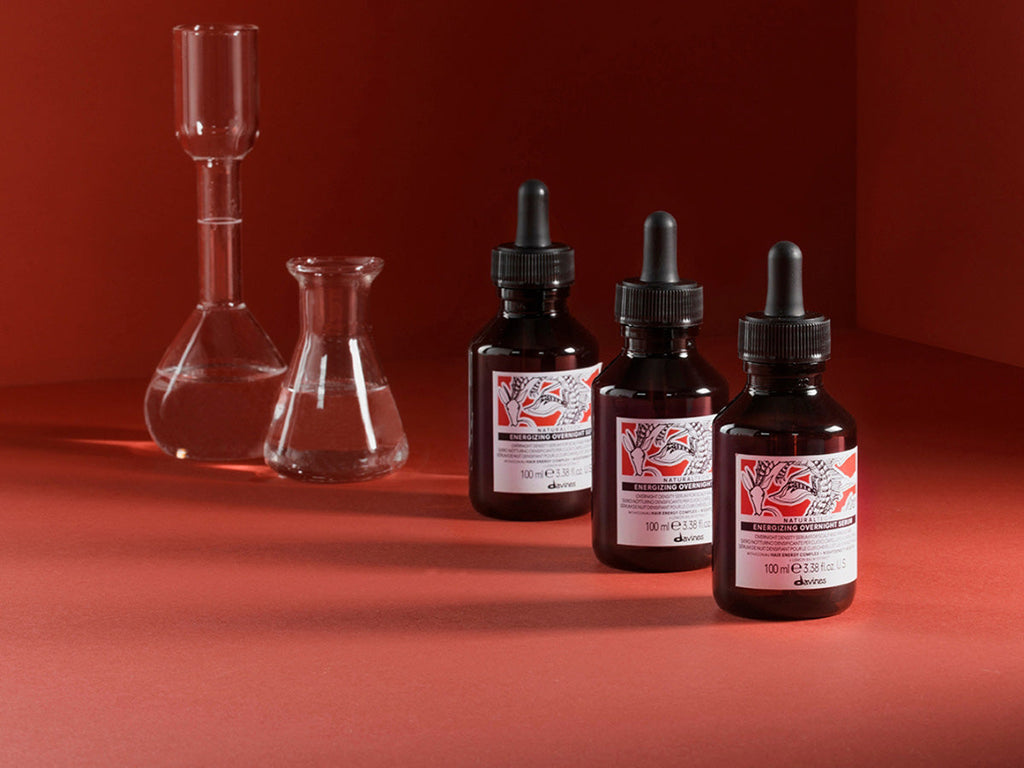
Your Guide to Overnight Hair and Scalp Serums and Their Benefits Learn how these formulas can support your nightly hair...
How To Align Your Hair Treatments With Your Hair Growth Cycles Understanding your hair growth cycle is one of the...
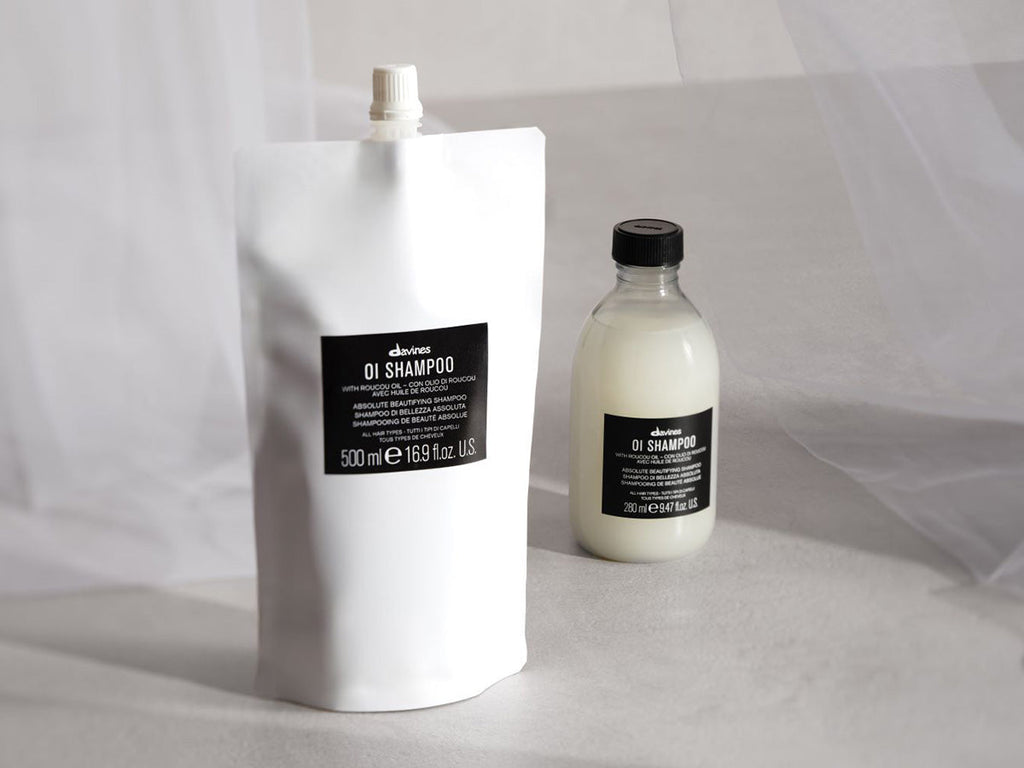
Introducing OI Refill Shampoo Pouches: embrace soft, shiny hair with less waste Your favourite formula, now in a refillable format...
Frequently asked questions about curly hair
Is curly hair genetic?
Yes. Curl pattern is determined by the shape of the hair follicle, which you inherit. The gene is partially dominant, so you can have curly hair even if only one parent does. Hormonal changes, medication and ageing can also shift curl pattern over time, which is why some people find their hair gets curlier or straighter as they get older.
Does curly hair get longer when you straighten it?
It looks longer because straightening stretches out the curl, but the hair itself isn't changing length. This is why many people with tight curls don't realise how much their hair has actually grown. If you want to check your real length without heat, try gently stretching a wet strand between two fingers.
Why do my curls look different every day?
Humidity, how wet the hair was when it dried, how you slept, which products you used and how much you touched it during the day all affect how curls sit. Consistency in your routine helps, but some variation from day to day is completely normal for curly hair.
How often should you wash curly hair?
Once or twice a week is a good starting point for most curl types. Curly hair is naturally drier because sebum struggles to travel down a curved shaft, so less frequent washing preserves moisture. If your scalp feels comfortable between washes, your frequency is working.